
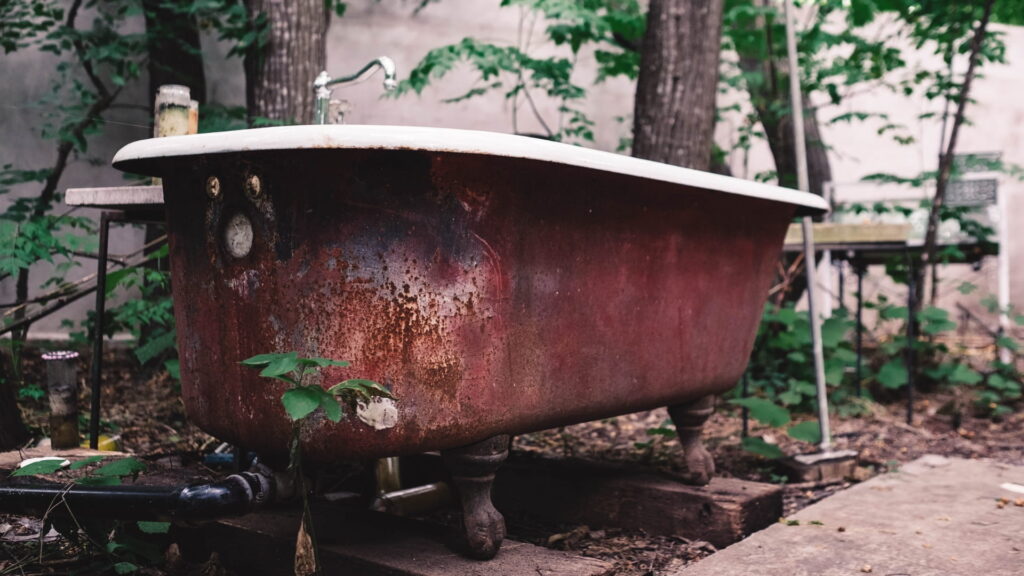
Old hot tubs combine a large shell, frame, insulation, pumps, wiring, plumbing, covers, and sometimes a surrounding deck or enclosure, and sometimes a surrounding deck or enclosure. Glenview Junk Crew reviews each project individually so the quote reflects utility status, dimensions, construction, access, dismantling, carrying distance, and disposal requirements.

Electrical service, gas, water, and hardwired equipment should be disconnected by the appropriate qualified person before dismantling begins. The disconnect location should be visible and secure.
A freestanding spa next to a wide driveway is very different from a hot tub removal in Glenview, IL, behind a narrow gate, inside a screened enclosure, or recessed into a deck. Do not remove fencing, railings, landscaping, or structural components before the scope is agreed. If a crane, electrician, plumber, carpenter, or other specialist is needed, those responsibilities should be assigned separately.
Drain the spa through an appropriate route before the appointment and allow the work area to dry. Clear furniture, planters, toys, hoses, and breakables. Keep people and pets away from cutting and carrying zones. Tell us about insects, animals, rot, sharp fiberglass, unstable decking, or concealed hazards.
The quote may reflect tub size, material, dismantling time, crew size, access, carrying distance, deck integration, specialty tools, weight, and disposal costs. A complete photo set helps distinguish a simple freestanding removal from a multi-trade project.
A freestanding acrylic tub on an open patio is usually the clearest type of project to assess. A recessed spa may be supported by framing that cannot be disturbed without affecting the deck. An indoor spa can involve doors, walls, ventilation, flooring, and water-control concerns. Swim spas are longer, heavier, and may need equipment beyond an ordinary hot tub removal.
The standard goal is to remove the approved spa and loose debris from that work. It does not automatically leave a finished patio or deck. A recessed opening may require temporary protection, framing changes, decking, railings, concrete work, electrical correction, or landscaping by other qualified providers. Decide who is responsible for those tasks before dismantling begins.
Ice, snow, heavy rain, saturated ground, high wind, and poor daylight can make cutting and carrying unsafe or damage the yard. Drain the tub well before freezing conditions, but follow local water-discharge guidance. Keep the path clear and discuss postponement when weather changes the safe scope.
Include one photo from each side, the equipment compartment, breaker or disconnect area, surrounding deck or pad, the full path to the truck, every gate and stair, and any overhead or utility obstacle. A short video walkthrough can help when the route has several turns.
Plan for a qualified electrician. The tub should be de-energized and made safe before removal.
Possibly, after the deck relationship, structural risk, and restoration responsibility are reviewed. Detailed photos or an on-site assessment are necessary.
Not as part of standard hot tub hauling. Concrete is dense construction material and requires a separate scope.
Timing depends on size, construction, access, and required dismantling.
Send the dimensions, utility status, full work-area photos, access route, and pickup city. Call or text (872) 210-0670.
© 2026 Glenview Junk Crew. All Rights Reserved.