
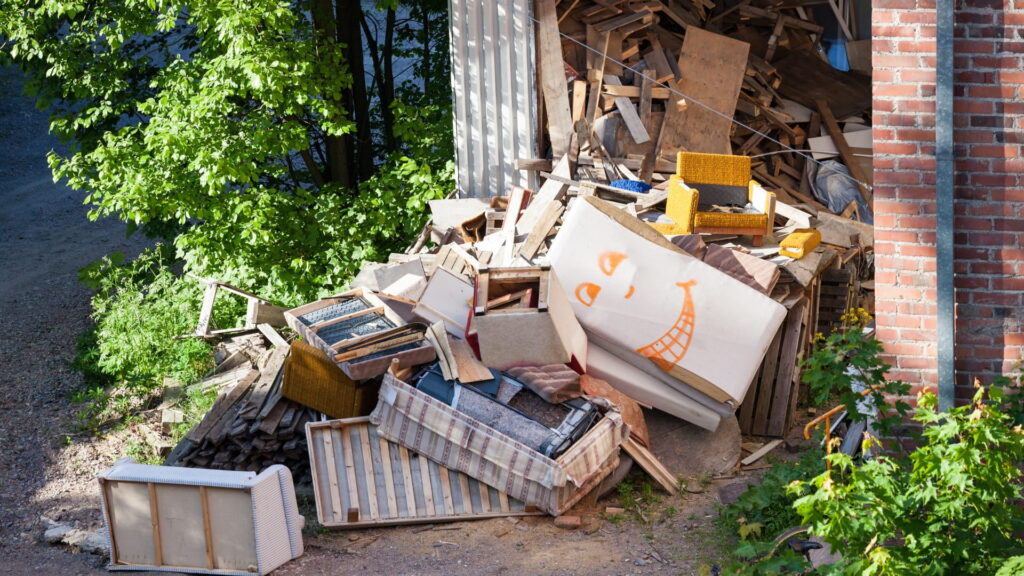
Renovation and construction debris can include light packaging, dense tile, sharp metal, dusty drywall, treated wood, fixtures, roofing, insulation, and regulated or contaminated material. The same pile size can vary greatly in weight, handling risk, and legal disposal route. Glenview Junk Crew reviews non-hazardous project debris only after the material, amount, access, and condition are disclosed.
Illinois distinguishes clean construction or demolition debris from general construction or demolition debris and regulates receiving facilities. Open dumping is illegal. The property owner and contractor should know where the material is going and should use an appropriate, authorized route. For significant projects, request disposal documentation where available and retain project records.
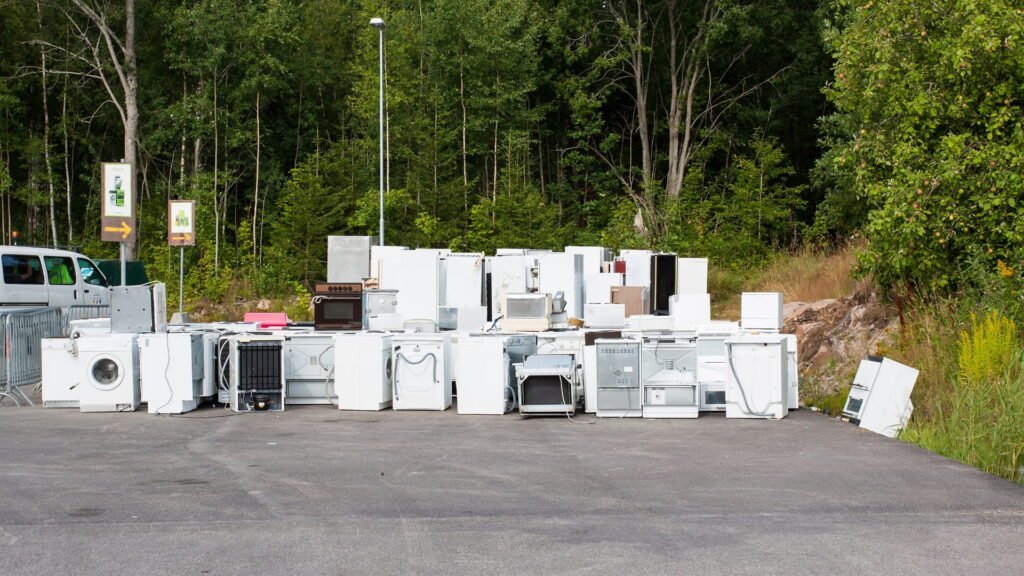
Source separation improves safety and may improve recycling options. Keep metal, clean cardboard, untreated wood, fixtures, dense masonry, ordinary trash, and questionable material in distinct areas. Do not mix paint cans, batteries, chemicals, fuel, fluorescent lamps, asbestos-containing material, or electronics into a construction debris removal pile.
Weight is often as important as volume. Dense material can reach safe payload limits quickly, while mixed material takes more sorting and may have higher facility charges. The quote may include labor, containers, protective handling, stairs, distance, weight, and disposal fees.
Before demolition starts, designate separate containers or staging zones for clean cardboard, metal, untreated wood, fixtures, general debris, dense masonry, electronics, and questionable material. Label the zones and keep rain out when moisture would add weight or cause contamination. The hauling provider should be able to see and identify the material; opaque bags should not conceal sharp or regulated contents.
Illinois warns property owners and contractors to use appropriate authorized facilities for construction and demolition debris. For meaningful projects, keep the estimate, invoice, material description, and available facility receipts together. A very low cash quote with no clear destination can expose the generator or property owner to avoidable risk if the material is dumped illegally.
Construction debris removal begins after material has been safely removed from the structure unless dismantling is explicitly included. Wall removal, cabinet demolition, flooring removal, roof work, plumbing, electrical work, structural changes, and hazardous-material abatement require a separate qualified scope.
Only after separate review, and the service may not accept it. These materials are dense and may have specific
testing or facility requirements.
Use licensed assessment and abatement professionals and provide clearance documentation where required.
Possibly, with a defined staging area, site-safety coordination, authorized contact, and schedule that does not
interfere with active trade work.
Send the material list, photos, project location, access details, and timeline. Call or text (872) 210-0670.
© 2026 Glenview Junk Crew. All Rights Reserved.