
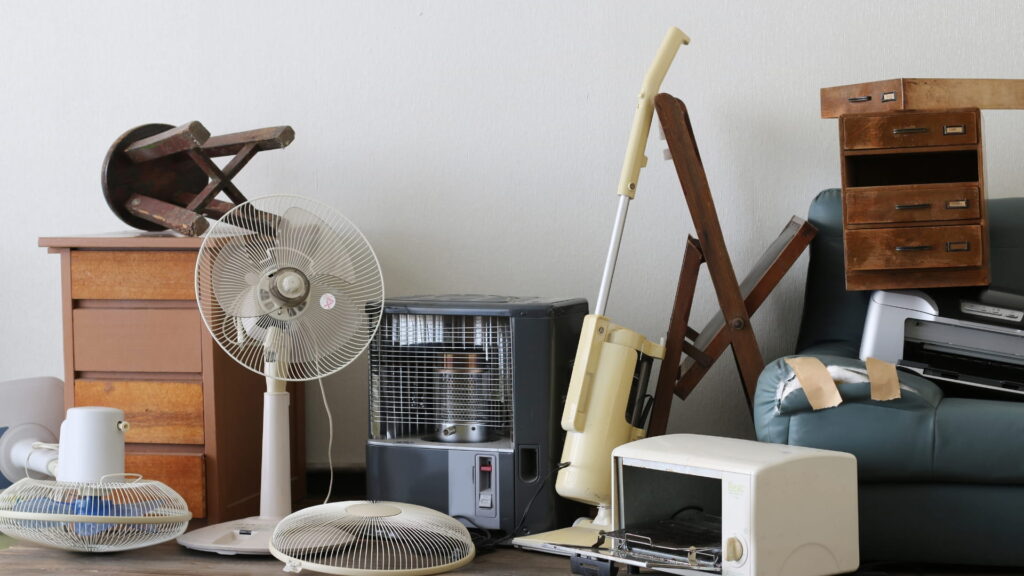
Branches, brush, clippings, leaves, old planters, and outdoor clutter can accumulate faster than they fit into a normal yard-waste routine. Glenview Junk Crew reviews approved outdoor cleanup material and hauling projects based on volume, weight, preparation, access, and the appropriate processing route.
Group similar material together. Bag loose leaves or clippings in the required type of bag if instructed. Cut branches to manageable lengths when safe to do so, but do not attempt dangerous tree work. Remove plastic, wire, lights, pots, soil, rocks, and ordinary trash from green material. Tell us if the pile is wet, compacted, mixed with mud, or has been sitting long enough to conceal pests or sharp debris.
Never approach downed power lines, unstable trees, hanging limbs, damaged gas equipment, floodwater, or structures that may collapse. Contact utilities or emergency services first. Glenview Junk Crew can review hauling only after the area is declared safe and hazardous work is separated from the removal scope.
Glenview residents may already have seasonal yard-waste services through the local collection program. A private pickup may be useful when material exceeds those limits, requires carrying, includes approved outdoor junk, or needs a different schedule. Compare the municipal rules and total project needs before booking.
Clean landscape material may be suitable for composting, mulching, or another organics route, while mixed or contaminated loads may not be. Keep green material separate to improve the available options. We confirm the practical route based on current acceptance rules rather than promise a universal outcome.
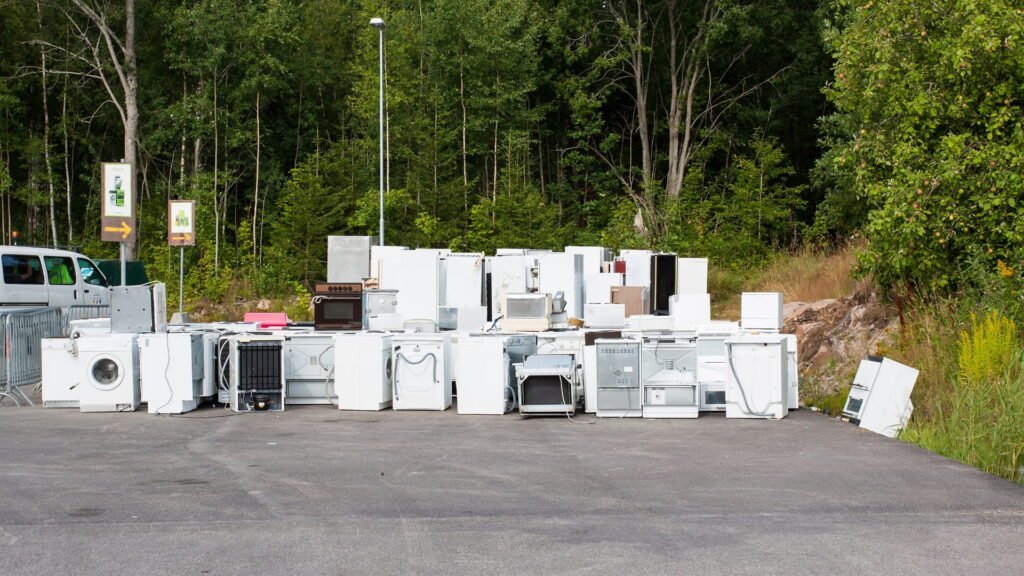
Green material and manufactured outdoor items should be photographed and listed separately. Branches and leaves may use an organics route, while broken patio furniture, plastic planters, fencing, hoses, toys, grills, and treated wood follow different processes. A mixed pile takes more sorting and can prevent otherwise clean landscape material from being accepted.
Length, diameter, moisture, and species affect weight. A pile of thin dry branches is not equivalent to fresh logs or a root ball packed with soil. Stumps and root balls may require excavation and specialized grinding or lifting before hauling. Send a measuring tape or familiar object in the photo for scale.
Snowbanks, soft ground, locked side gates, planted beds, and narrow driveways can affect the safest carrying route. Avoid staging debris where it blocks sidewalks, drains, hydrants, traffic sight lines, or a neighbor's property. Confirm any association or municipal placement rule before moving a large pile.
The quote may reflect pile volume, moisture, density, branch size, bagging, sorting, carrying distance, gate access, crew time, and processing requirements. Photos should include the whole pile with a familiar object for scale.
This service covers hauling approved debris, not arborist work. Use a qualified tree professional for cutting, climbing, unstable trees, and utility hazards.
These dense materials require separate assessment and may not fit the service. Do not mix them into branches or leaves.
Separate it whenever possible. Mixed loads can reduce recycling or composting options and change pricing.
Dismantling is a separate project. Send photos of the structure, foundation, utilities, access, and surrounding property.
Send photos, material type, pile dimensions, access details, pickup city, and preferred timing. Call or text (872) 210-0670.
© 2026 Glenview Junk Crew. All Rights Reserved.